
Common Silo Problems and How to Fix Them (Complete Guide)
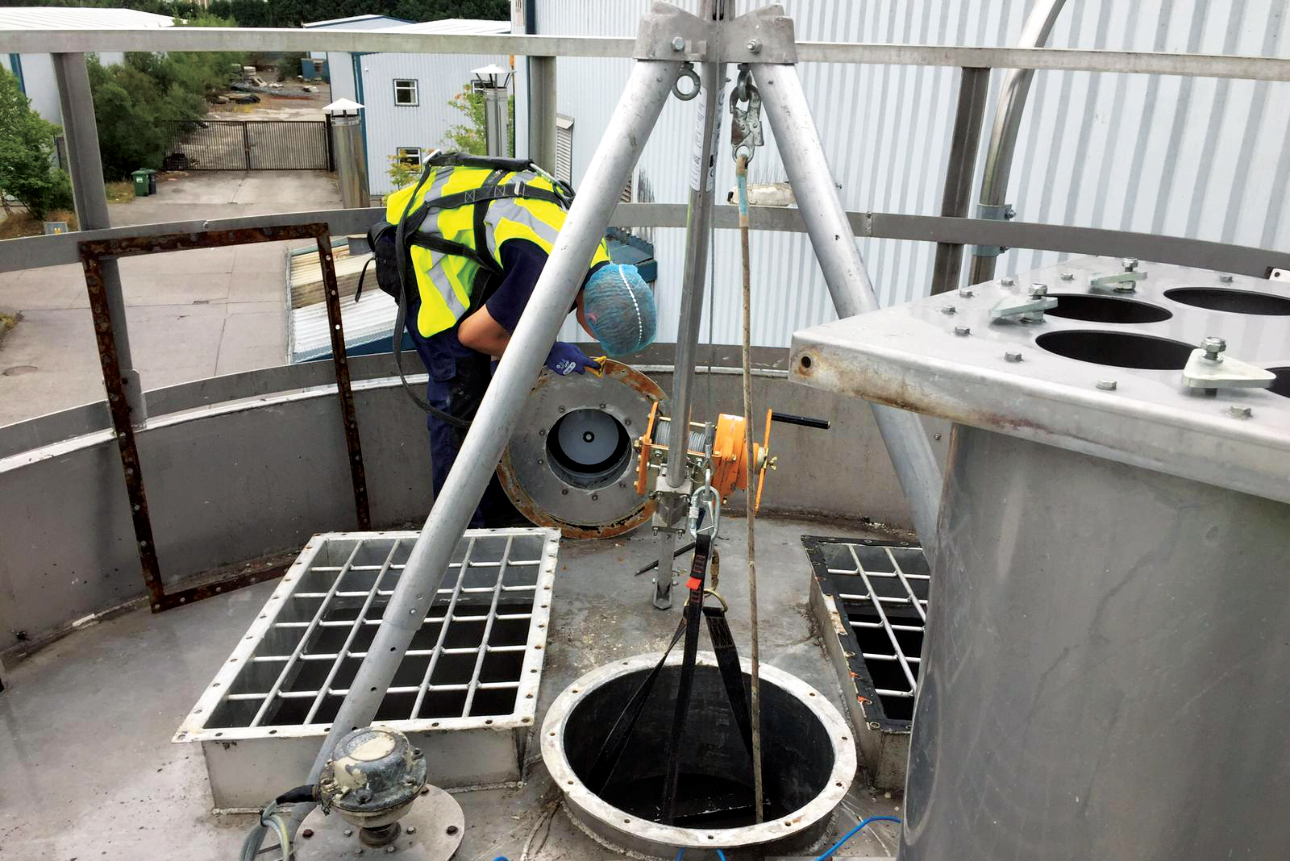
Silos are a critical component in many industrial, agricultural and manufacturing operations, designed to store and discharge bulk materials efficiently. However, over time, a range of silo problems can develop that impact performance, safety and productivity.
From silo blockages and material build-up to dust accumulation and structural stress, these issues can lead to costly downtime, safety risks and reduced storage capacity if not addressed promptly.
Understanding the root causes of these problems — and implementing the right silo cleaning solutions — is essential for maintaining reliable operations.
In this guide, we explore the most common silo issues and how to fix them effectively.
What Causes Silo Problems?
Before addressing individual problems, it’s important to understand why they occur.
Common causes include:
- Material characteristics (moisture, particle size, stickiness)
- Poor silo design or flow patterns
- Lack of regular cleaning and maintenance
- Environmental conditions (humidity, temperature)
- Compaction from prolonged storage
Without proper silo maintenance, these factors combine to create internal build-up, restricted flow and hazardous conditions.
1. Silo Bridging (Arching)
Silo bridging — also known as arching — occurs when stored material forms a solid arch across the silo interior. This prevents material from flowing through the discharge outlet, even though the silo still appears full.
Why It Happens
Bridging is typically caused by:
- Fine or cohesive materials
- High moisture content
- Compaction over time
- Irregular particle sizes
Risks of Bridging
- Complete flow stoppage
- Sudden collapse of material (safety hazard)
- Production downtime
- Increased pressure on silo structure
How to Fix Silo Bridging
Effective solutions include:
- Mechanical agitation systems
- Air cannons to break material cohesion
- Non-entry whip cleaning systems
- Professional silo cleaning services
In severe cases, confined space entry may be required — but only under strict safety procedures.
2. Rat-Holing in Silos
What Is Rat-Holing?
Rat-holing occurs when material flows through a narrow vertical channel while the surrounding material remains stuck against the silo walls.
This creates a hollow “tunnel” effect and leaves large amounts of unusable material behind.
Why Rat-Holing Is a Problem
- Significant loss of storage capacity
- Inconsistent material flow
- Increased likelihood of sudden collapse
- Hidden build-up that worsens over time
How to Fix Rat-Holing
How to Fix Rat-Holing
- Internal cleaning to remove compacted material
- Flow pattern redesign (in some cases)
- Regular preventative cleaning schedules
3. Material Build-Up on Silo Walls
The Problem
Over time, materials adhere to silo walls, especially in environments with:
- Fine powders
- Static-prone materials
- Moist or sticky substances
This reduces usable capacity and contributes to further blockages.
Consequences
- Reduced storage volume
- Increased discharge issues
- Contamination risk in food-grade silos
Solutions
- Dry mechanical cleaning systems
- Industrial vacuum extraction
- Non-entry cleaning techniques
Regular cleaning prevents long-term accumulation.
4. Silo Blockages and Discharge Issues
Common Causes
- Compacted material at the base
- Bridging or rat-holing
- Poor discharge design
- Foreign object contamination
Warning Signs
- Slower discharge rates
- Inconsistent material flow
- Complete blockage
Fixing Silo Blockages
- Mechanical dislodging
- Air-assisted systems
- Vacuum extraction
- Emergency silo cleaning
Preventative maintenance is key to avoiding repeat issues.
5. Dust Accumulation and Explosion Risk
Why Dust Is Dangerous
Fine dust particles — especially from grain, flour, biomass and powders — can become explosive when:
- Suspended in air
- Confined within a space
- Exposed to an ignition source
Risks Include:
- Fire
- Explosion
- Exposed to an ignition source
How to Reduce Dust Risk
- Regular industrial vacuum cleaning
- ATEX-compliant procedures
- Dust control systems
- Scheduled inspections
6. Moisture and Contamination Issues
Causes
- Condensation inside silo
- Poor ventilation
- Residual product build-up
Risks
- Mould growth
- Product spoilage
- Cross-contamination
Solutions
- Routine cleaning
- Proper ventilation
- Moisture control systems
Critical in food and agricultural industries.
7. Structural Stress and Uneven Pressure
The Issue
Uneven material flow can create pressure imbalances inside the silo, leading to structural stress.
Potential Problems
- Wall deformation
- Structural fatigue
- Increased maintenance costs
Prevention
- Consistent flow management
- Regular inspections
- Removal of uneven build-up
Preventing Silo Problems
The most effective way to manage silo issues is through preventative maintenance.
Best Practices:
- Schedule regular silo cleaning
- Monitor material behaviour
- Inspect discharge systems
- Track performance changes
- Use professional contractors
Preventative cleaning is significantly more cost-effective than emergency intervention.
When to Call a Professional Silo Cleaning Company
You should seek specialist support when:
- Blockages occur
- Flow becomes inconsistent
- Dust levels increase
- Contamination is suspected
- Silo hasn’t been cleaned for extended periods
Professional contractors provide:
- Safe execution
- Proper equipment
- Compliance documentation
- Minimal downtime
Conclusion
Silo problems are common — but they are also preventable.
By understanding issues such as silo bridging, rat-holing, build-up and dust accumulation, businesses can take proactive steps to maintain performance, improve safety and reduce downtime.
Investing in regular inspection and professional silo cleaning services ensures long-term reliability and operational efficiency.
If you're experiencing silo blockages, reduced flow or dust build-up
Speak to our team today and request a professional silo cleaning assessment.