Food Silo Cleaning: Hygiene & Compliance Explained
In food manufacturing, storage silos play a critical role in maintaining a continuous supply of ingredients such as flour, sugar, grains, powders, and other bulk materials. While silos are designed for efficient storage, they can quickly become a hidden source of contamination if not properly maintained.
Regular food silo cleaning is not simply a matter of housekeeping—it is a key part of food safety, product quality, and regulatory compliance. Understanding why silo hygiene matters and how professional cleaning supports compliance can help food manufacturers protect their operations, customers, and reputation.
Why Food Silo Hygiene Matters
Food silos are exposed to a range of contamination risks throughout their operational life. Residual product build-up, moisture ingress, dust accumulation, and microbial growth can all compromise the quality of stored materials. If left unchecked, these issues may lead to:
- Cross-contamination between product batches
- Allergen transfer risks
- Bacterial or mould growth
- Product spoilage
- Failed audits and inspections
- Costly product recalls
Even a small amount of residue left behind after a product changeover can create significant food safety concerns. This is particularly important for manufacturers handling multiple ingredients, allergens, or sensitive food products.
The Compliance Challenge
Food manufacturers in the UK must demonstrate that they have effective hygiene controls in place throughout the production process, including ingredient storage systems.
Silo cleaning supports compliance with several key frameworks and regulations, including:
HACCP (Hazard Analysis and Critical Control Point)
HACCP requires food businesses to identify potential hazards and implement controls to prevent contamination. Storage silos form part of this risk management process, making regular inspection and cleaning essential for maintaining a robust food safety system.
Food Standards Agency (FSA) Requirements
Food businesses are legally required to maintain good hygiene practices and implement documented food safety procedures. Poor silo hygiene can undermine these requirements and increase the risk of contamination incidents.
BRCGS and Food Safety Audits
Many food manufacturers operate under BRCGS, ISO 22000, SALSA, or customer-specific standards. Auditors increasingly expect evidence of preventative maintenance, cleaning schedules, inspection records, and hygiene management within storage systems.
COSHH and Workplace Safety
Where cleaning agents or hazardous dusts are present, businesses must also consider COSHH requirements and safe working practices during cleaning operations.
Common Causes of Silo Contamination
Several factors can affect the hygiene of a food storage silo:
Product Build-Up
Powders and ingredients can adhere to silo walls over time, creating layers of residue that may harbour bacteria or contaminate future batches.
Moisture Ingress
Condensation or water ingress can lead to caking, spoilage, mould growth, and microbial contamination.
Dust Accumulation
Dust deposits can affect both hygiene and safety. In certain food environments, combustible dust may also present an explosion risk if not properly managed.
Infrequent Cleaning
Without a structured cleaning schedule, contamination risks increase significantly, particularly in high-throughput facilities or where multiple ingredients are stored.
What Does Professional Food Silo Cleaning Involve?
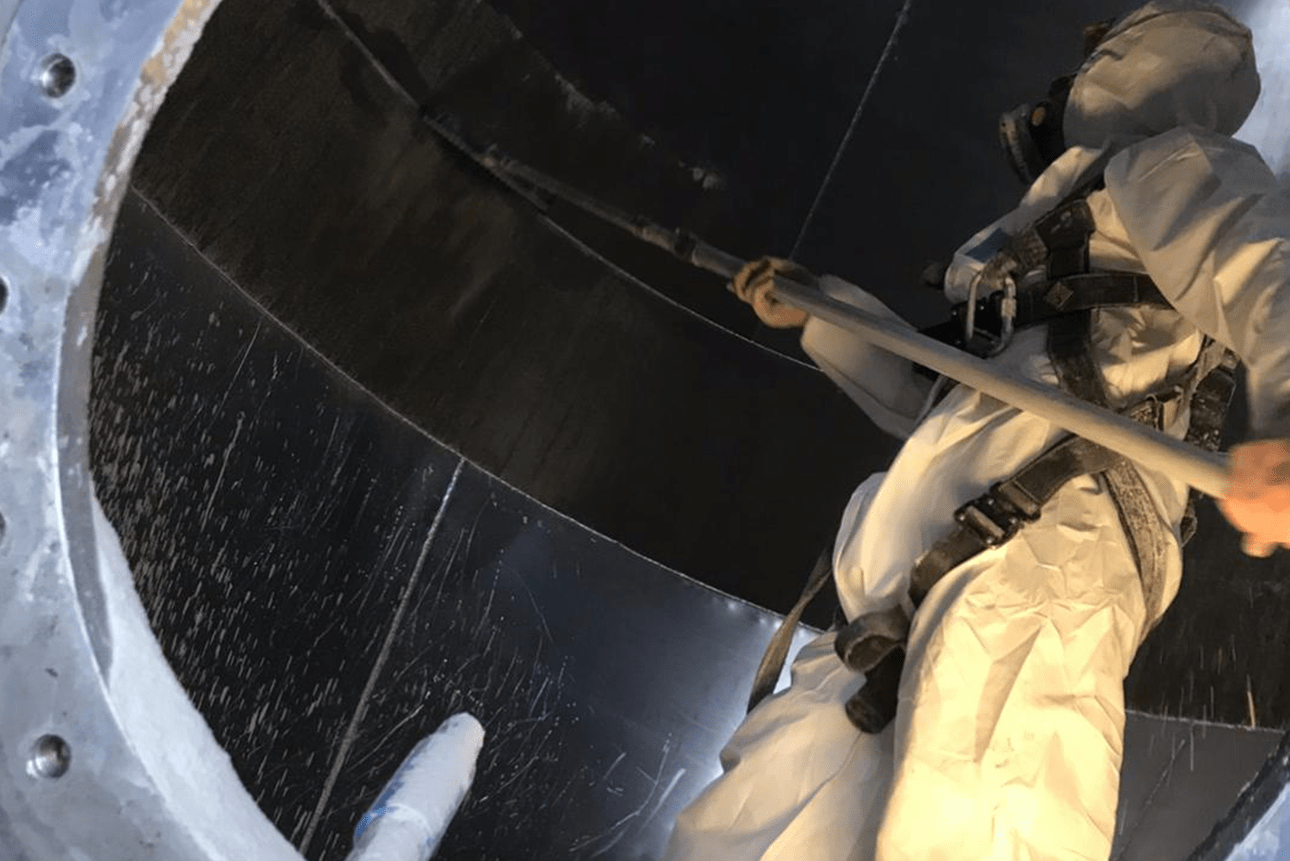
Food-grade silo cleaning requires a different approach to standard industrial cleaning. The objective is not only to remove material build-up but also to restore hygienic conditions suitable for food production.
A professional food silo cleaning process may include:
- Detailed site surveys and risk assessments
- Removal of product residues and hardened deposits
- Air cannon or non-entry cleaning techniques
- Full rinsing and drying procedures
- Inspection and condition reporting
- Post-clean documentation and certification
Using specialist equipment and trained technicians ensures cleaning is completed safely while minimising disruption to production schedules.
The Benefits of Scheduled Cleaning
Many food manufacturers only consider silo cleaning when a problem occurs. However, proactive maintenance offers significant advantages:
Improved Product Quality
Removing residual material reduces the risk of contamination and helps maintain consistent product standards.
Reduced Downtime
Regular cleaning helps prevent blockages, bridging, and flow issues that can interrupt production.
Better Audit Readiness
Documented cleaning schedules, inspection reports, and compliance records provide valuable evidence during food safety audits.
Enhanced Workplace Safety
Removing dust build-up and minimising confined-space entry risks contributes to a safer working environment.
How Often Should Food Silos Be Cleaned?
There is no universal cleaning interval, as requirements vary depending on:
- The product being stored
- Production volumes
- Moisture exposure
- Allergen management requirements
- Audit standards
- Previous contamination history
As a general guide, many food manufacturers schedule cleaning every 6–12 months, between product changes, or immediately following any contamination incident. A risk-based approach aligned with HACCP principles is typically recommended.
Choosing a Specialist Food Silo Cleaning Provider
Food silo cleaning is a specialist service that requires expertise in hygiene, confined-space working, and regulatory compliance.
When selecting a provider, look for:
- Experience within food manufacturing environments
- HACCP awareness
- ATEX and confined-space training
- Detailed risk assessments and RAMS
- Compliance documentation and reporting
- Flexible scheduling to minimise downtime
Professional cleaning not only helps maintain hygiene standards but also provides confidence that your storage systems remain compliant, safe, and operational.
Keep Your Food Silos Clean, Safe and Compliant
Maintaining food silo hygiene is a critical part of modern food manufacturing. Regular professional cleaning reduces contamination risks, supports regulatory compliance, protects product quality, and helps businesses remain audit-ready.
At VAK Conveying Systems, we provide specialist food-grade silo cleaning services across the UK, helping manufacturers maintain the highest standards of hygiene, safety, and operational performance. Our experienced team delivers safe, effective cleaning solutions tailored to your facility, materials, and compliance requirements.
Need advice on food silo cleaning or a tailored maintenance programme?
Contact VAK Conveying Systems today to discuss your requirements.