Silo Cleaning Methods: Dry, Wet and Non-Entry Techniques Explained
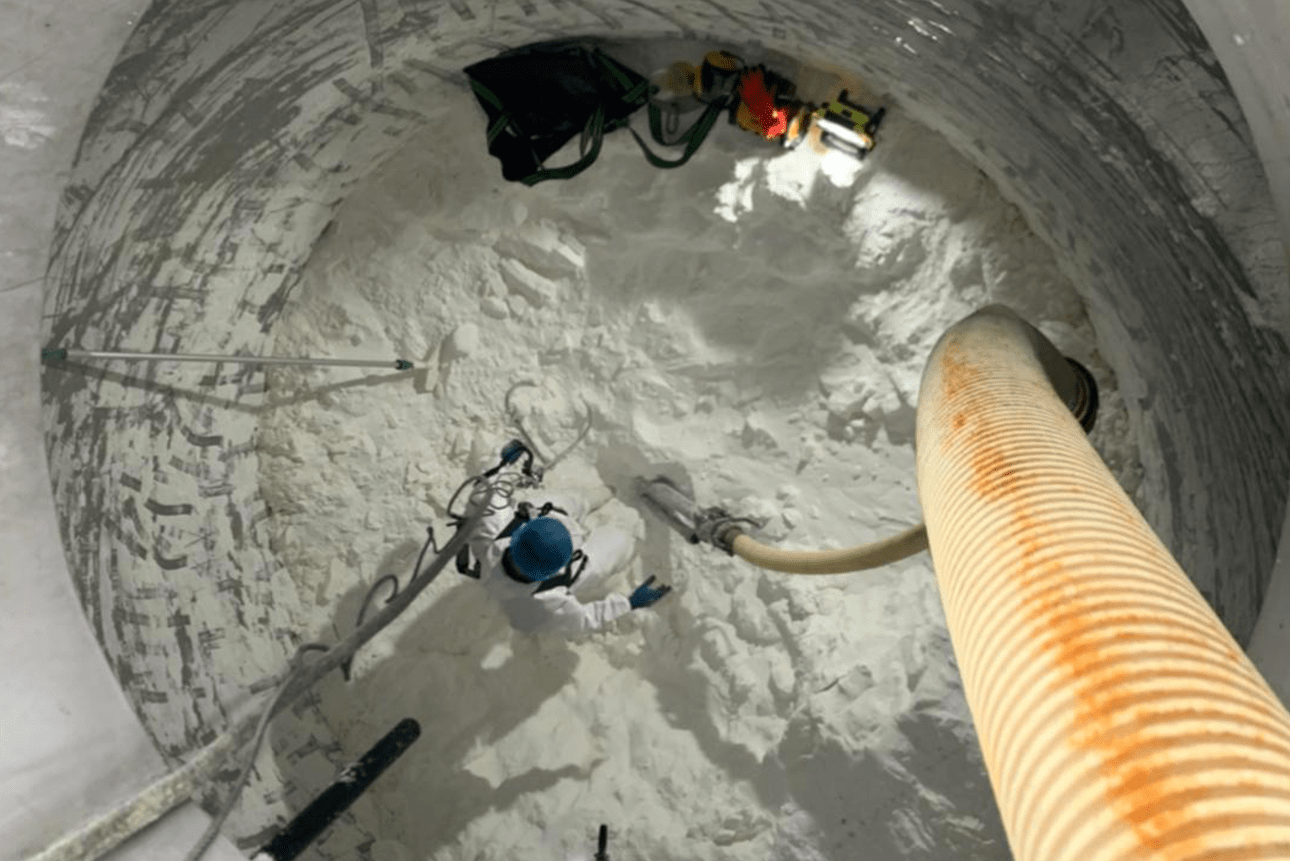
Choosing the correct silo cleaning method is essential for maintaining efficiency, safety and compliance. Different materials, industries and silo designs require different approaches.
Using the wrong method can lead to contamination, increased downtime or even safety hazards.
This guide breaks down the most effective industrial silo cleaning techniques and explains when each should be used.
Understanding the Silo Cleaning Process
A professional silo cleaning process typically involves:
1. Site inspection
2. Risk assessment
3. Method selection
4. Cleaning execution
5. Final inspection and reporting
Each stage ensures safe and effective cleaning.
Dry Silo Cleaning
What Is Dry Silo Cleaning?
Dry cleaning removes material build-up without introducing water or liquids.
How It Works
- Mechanical agitation breaks up compacted material
- Industrial vacuum systems remove debris
- Internal surfaces are cleared of residue
Best Applications
- Grain silos
- Cement storage
- plastics and polymer
- Powder handling
Advantages
- No moisture contamination
- Faster turnaround
- Lower risk in ATEX environments
- Suitable for most industrial materials
Wet Silo Cleaning
What Is Wet Cleaning?
Wet cleaning uses water and cleaning agents (Only if Requested), to remove residue.
Process
- Pre-clean inspection
- Controlled pressure washing
- Application of food-safe detergents (Only if Requested)
- Rinse and drying phase
Best Applications
- Food-grade silos
- Ingredient storage
- Hygiene-critical environments
Advantages
- Removes bacteria and contamination
- Ensures hygiene compliance
- Suitable for sensitive materials
Considerations
- Requires drying time
- Must be carefully controlled to avoid residue
Non-Entry Silo Cleaning
What Is Non-Entry Cleaning?
Non-entry cleaning removes material without personnel entering the silo.
Methods
- Air cannons
- Remote whip systems
- Robotic cleaning equipment
- External agitation
Benefits
- Eliminates confined space risks
- Faster execution
- Reduced downtime
- Lower insurance exposure
Confined Space Entry Cleaning
When Is It Required?
Our specialist silo cleaning contractors assess the stored material, silo design and severity of build-up before recommending entry or non-entry cleaning.
Requirements
- Permit-to-work systems
- Gas monitoring
- Rescue teams
- Full PPE
Choosing the Right Method
Factors to consider:
- Material type
- Silo size and structure
- Hygiene requirements
- Safety risks
- Operational downtime
Conclusion
Understanding the different methods helps businesses choose a safe and effective approach. A professional assessment from an experienced UK silo cleaning company can determine whether dry, wet, entry or non-entry cleaning is most appropriate.
Not sure which cleaning method you need?
Contact our team for expert advice.